
Optimizing Layouts with Residential Space Planning
Creating a well-organized home layout is essential for comfort and functionality. A thoughtful design improves daily living and enhances the overall atmosphere. I focus on practical strategies that maximize space and flow. This approach helps transform any residence into a warm, inviting, and efficient environment.
Understanding Home Layout Optimization
Home layout optimization involves arranging rooms and furniture to make the best use of available space. It balances aesthetics with utility. The goal is to create a seamless flow between areas while maintaining a sense of openness.
I start by assessing the current layout. This includes noting traffic patterns, natural light sources, and focal points. For example, placing seating near windows can enhance natural light use. Avoiding cluttered pathways improves movement and safety.
Key principles include:
Zoning: Grouping related functions together, such as dining near the kitchen.
Scale and proportion: Choosing furniture that fits the room size.
Flexibility: Allowing spaces to serve multiple purposes.
These principles guide decisions that improve both form and function.

Practical Steps for Effective Home Layout Optimization
Optimizing a home layout requires a clear plan and attention to detail. I recommend the following steps:
Measure the space accurately. Use a tape measure or digital tools to get precise dimensions.
Create a floor plan. Sketch or use software to visualize furniture placement.
Identify focal points. These could be fireplaces, windows, or artwork.
Plan traffic flow. Ensure pathways are at least 3 feet wide to avoid congestion.
Select appropriate furniture. Opt for pieces that complement the room size and style.
Incorporate storage solutions. Built-ins or multifunctional furniture reduce clutter.
Consider lighting. Layer ambient, task, and accent lighting for balance.
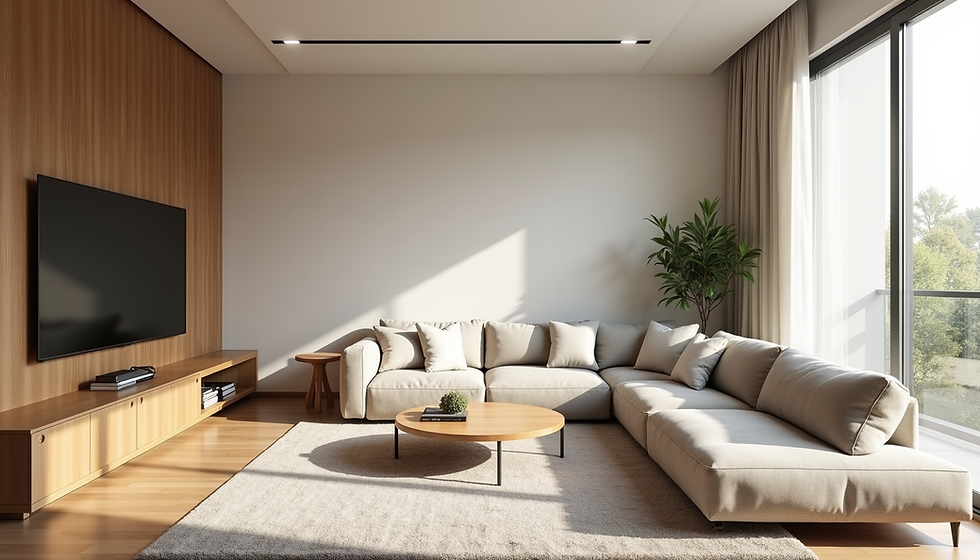
For example, in a small living room, I might suggest a sectional sofa that fits the corner, paired with a slim coffee table. This arrangement opens up the center for movement and conversation.
Integrating Residential Space Planning for Cohesion
A successful layout depends on thoughtful residential space planning. This process involves understanding how each room interacts with others and how the entire home functions as a unit.
I emphasize the importance of consistency in style and materials throughout the home. This creates a cohesive look and feel. For instance, using similar flooring or color palettes in adjacent rooms enhances flow.
Additionally, I consider lifestyle needs. Families with children may prioritize open play areas, while those who entertain often need flexible seating and dining options.

Maximizing Small Spaces with Smart Layouts
Small homes or apartments present unique challenges. Every square foot counts. I focus on maximizing functionality without sacrificing style.
Some effective strategies include:
Multipurpose furniture: Sofas with storage, fold-out tables, or wall beds.
Vertical space use: Shelving and cabinets that reach the ceiling.
Light colors and mirrors: These create an illusion of space.
Clear zones: Defining areas with rugs or lighting to avoid a cramped feel.
For example, a studio apartment can benefit from a room divider that doubles as a bookshelf. This separates sleeping and living areas while adding storage.
Enhancing Outdoor and Indoor Flow
Connecting indoor and outdoor spaces extends living areas and improves natural light and ventilation. I recommend aligning doors and windows to create visual and physical continuity.
Patios, decks, or balconies should be considered part of the overall layout. Comfortable seating and dining options outdoors encourage use and enjoyment.
Landscaping near windows can frame views and add privacy. Using similar materials inside and outside, such as wood or stone, strengthens the connection.
Final Thoughts on Home Layout Optimization
Optimizing a home layout is a continuous process. It requires attention to detail and a clear understanding of how space supports daily life. By applying practical principles and thoughtful design, any home can become more functional and inviting.
I encourage exploring professional guidance when needed. Expert input can uncover opportunities that might be overlooked. With careful planning, your home will reflect a sophisticated and timeless aesthetic that welcomes and inspires.


Comments