
Optimizing Your Home with Home Space Planning Tips
- sharmabhakti
- Mar 18
- 3 min read
Creating a home that feels spacious, functional, and inviting requires more than just good taste. It demands thoughtful planning and a clear understanding of how to use every inch effectively. I have found that applying strategic home space planning tips can transform any living area into a harmonious environment that supports daily life and personal style.
Understanding the Basics of Home Space Planning Tips
Space planning is the foundation of any successful interior design project. It involves arranging furniture, fixtures, and open areas to maximize usability and comfort. When I approach a space, I start by assessing the room’s dimensions, natural light, and traffic flow. This helps me decide where to place key elements like seating, storage, and pathways.
A few practical steps include:
Measuring the room accurately before buying or moving furniture.
Identifying focal points such as windows, fireplaces, or architectural features.
Ensuring clear walkways that avoid clutter and allow easy movement.
Balancing the scale of furniture with the size of the room.
These steps help prevent overcrowding and create a sense of openness. For example, in a small living room, I recommend using multi-functional furniture like ottomans with storage or nesting tables. This approach keeps the space flexible and organized.

Practical Home Space Planning Tips for Every Room
Each room in a home serves a unique purpose, so space planning must be tailored accordingly. Here are some targeted tips for common areas:
Living Room
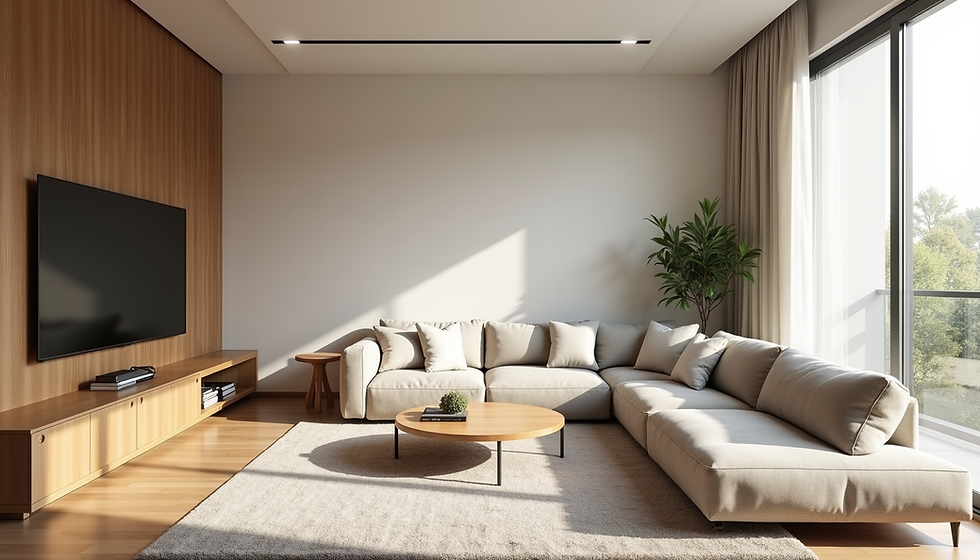
Arrange seating to encourage conversation and face a focal point.
Use rugs to define seating areas and add warmth.
Incorporate vertical storage like shelves to free up floor space.
Kitchen
Follow the work triangle principle: position the sink, stove, and refrigerator in a triangular layout for efficiency.
Use pull-out cabinets and organizers to maximize storage.
Keep countertops clear to enhance workspace.
Bedroom
Place the bed away from the door but within sight of windows.
Use under-bed storage to reduce clutter.
Choose nightstands with drawers for extra storage.
Home Office
Position the desk near natural light to reduce eye strain.
Use cable management solutions to keep cords tidy.
Select ergonomic furniture to support long work hours.
These tips help create rooms that are both beautiful and functional. I always emphasize the importance of customizing solutions to fit individual needs and lifestyles.
Incorporating Residential Space Planning into Your Design
When I work on projects, I integrate residential space planning principles to ensure every area serves its purpose without sacrificing style. This process involves:
Collaborating with clients to understand their routines and preferences.
Creating detailed floor plans and 3D models to visualize layouts.
Selecting furniture and decor that complement the space and enhance flow.
For example, in a recent project, we transformed a cramped apartment by removing unnecessary partitions and using built-in storage. This opened up the living area and created a seamless transition between rooms. The result was a sophisticated, timeless space that felt both warm and inviting.

Tips for Maximizing Small Spaces
Small homes or apartments present unique challenges. However, with careful planning, they can feel roomy and comfortable. Here are some strategies I recommend:
Use Light Colors - Light walls and furniture reflect more light, making spaces feel larger.
Choose Multi-Functional Furniture - Items like sofa beds or foldable tables save space.
Create Vertical Storage - Tall shelves and wall-mounted cabinets free up floor area.
Keep Clutter Minimal - Regularly declutter to maintain a clean, open feel.
Use Mirrors - Strategically placed mirrors can visually expand a room.
By applying these tips, even the smallest spaces can become efficient and elegant.
Enhancing Flow and Functionality
Good space planning improves the flow between rooms and enhances daily living. I focus on creating clear pathways and logical room adjacencies. For instance, placing the kitchen near the dining area reduces unnecessary steps during meal preparation and serving.
Lighting also plays a crucial role. Layered lighting—combining ambient, task, and accent lights—can define zones and add depth. I recommend installing dimmers to adjust light levels according to mood and activity.
Finally, consider the balance between open and private spaces. Open layouts encourage social interaction, while cozy nooks provide quiet retreats. Thoughtful space planning allows both to coexist harmoniously.
Final Thoughts on Home Space Planning Tips
Optimizing your home through effective space planning is a rewarding process. It requires attention to detail, practical solutions, and a clear vision. By applying these home space planning tips, you can create a living environment that is both functional and aesthetically pleasing.
Whether you are redesigning a single room or an entire home, remember that every choice matters. From furniture placement to lighting and storage, each element contributes to the overall harmony of your space. With careful planning, your home can become a timeless sanctuary that reflects your style and supports your lifestyle.


Comments